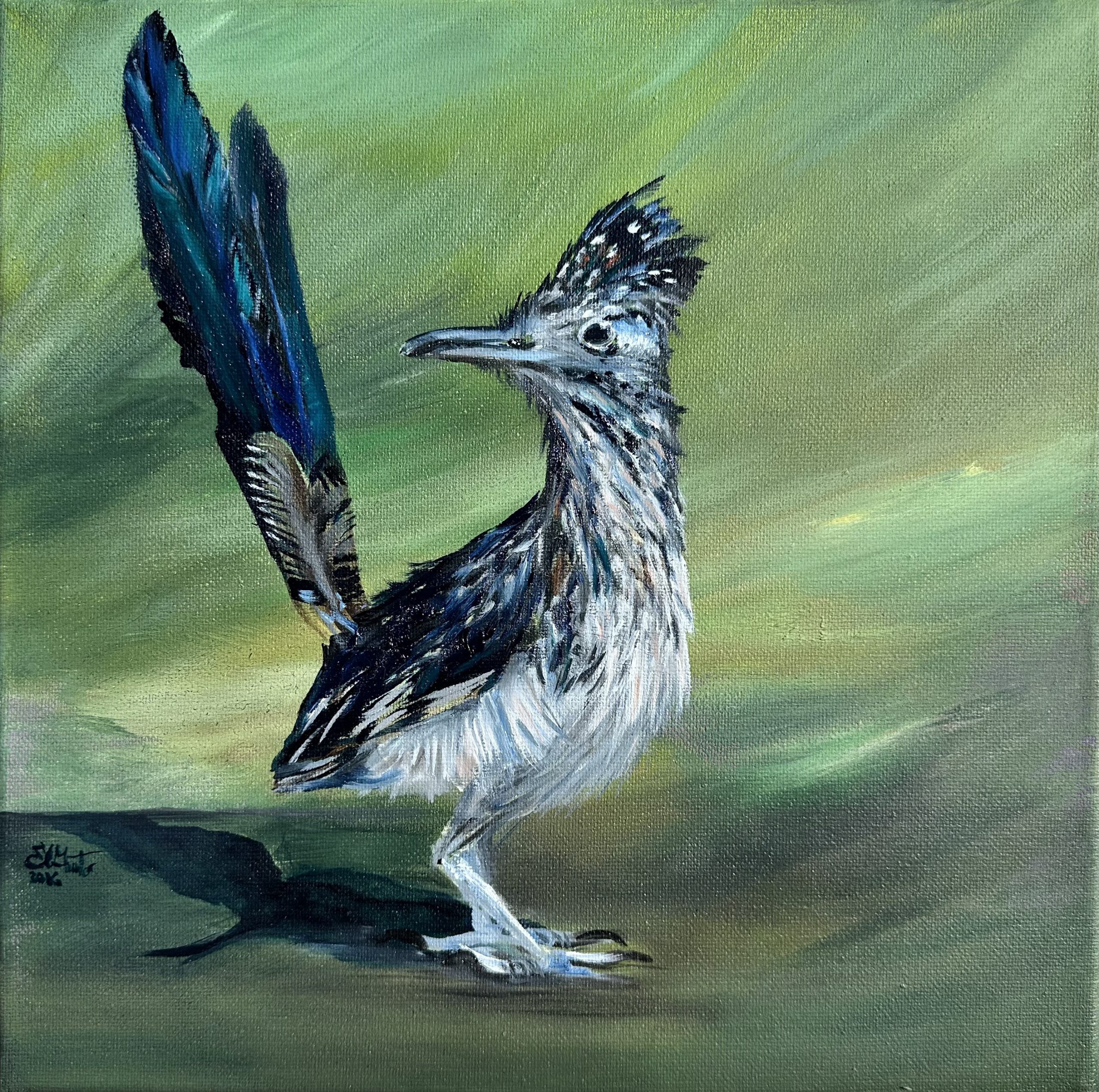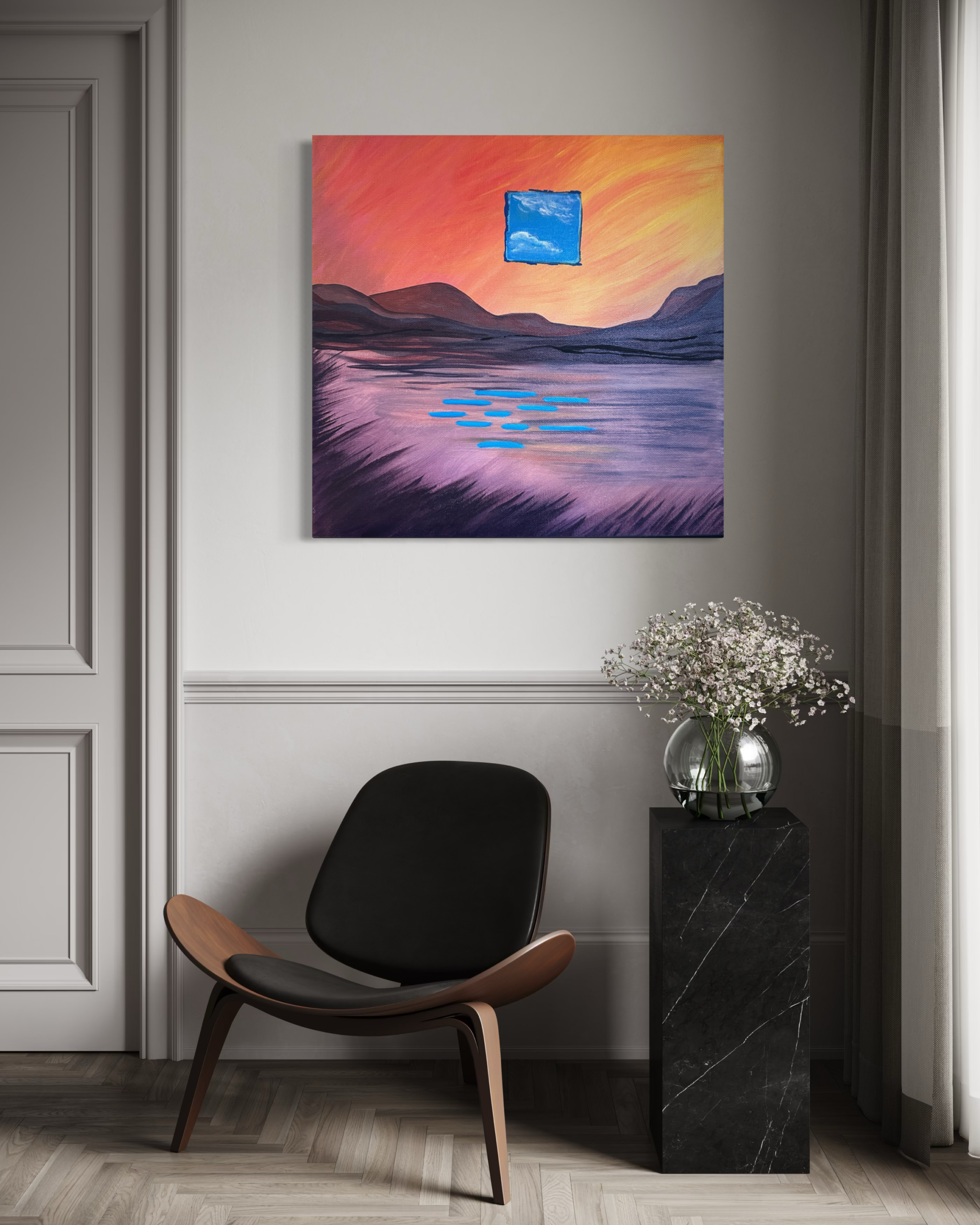
I’ve spent most of my life around art, and there is still something about collecting it that fascinates me. We can walk through a gallery, an art festival or an artist’s studio and see dozens of things we appreciate, but every once in a while there is one we keep coming back to. We walk away, think about it, find ourselves standing in front of it again and eventually start imagining where it might live.
Somewhere in there the question changes from Do I like this? to Do I want to live with this? I think that’s a much more interesting question.
You don’t always have to know why
Buying original art can feel intimidating because people assume they’re supposed to know something first. They should understand the style, know something about the artist, be able to explain why the work is good or know whether it will work with everything else in the room. Those things can be useful, especially as a collection grows, but I don’t think they’re where the relationship with a piece of art begins.
Sometimes the reason we’re drawn to something is obvious. A landscape reminds us of a place we love, the subject carries a memory, or there is something about the color or feeling of the work that immediately feels familiar. Other times we don’t have a good explanation at all. We just keep looking.
I like that. Not everything meaningful needs to explain itself right away.
Art becomes part of the life around it
One of the things I love most about original art is what happens after it comes home. A painting isn’t experienced once and then put away. It becomes part of the room and, eventually, part of everything that happens around it.
You pass it carrying groceries. You see it over someone’s shoulder during dinner. Morning light hits it differently than afternoon light. A guest notices something in it you’ve never noticed before. Years later it may hang in a completely different house or in a room you never imagined when you bought it.
Eventually a piece can begin carrying more than whatever originally drew you to it. It carries some of the life that happened while it was there.
That’s why I’ve never thought of art as simply the finishing touch to a room. Of course scale matters, placement matters, and the relationship between a piece and its surroundings can be beautiful. But furniture is usually chosen because it needs to work in a particular space. Art has the possibility of staying with us long after that space changes.
Pay attention to what you return to
I’ve helped people choose and place a lot of art, and I’m always interested in what they return to before they begin explaining their choices. There is usually something there. We are very good at talking ourselves out of our first response because we want a reason for it. Maybe the colors aren’t what we expected to choose, the subject is different from anything else we own, or the piece simply wasn’t what we came looking for.
Sometimes practical considerations really do matter, but sometimes we’re trying to make an emotional decision behave like a rational one.
I think collecting gets much more interesting when we allow room for both.
There is value in learning about the artist, understanding the work, considering the space and knowing what you’re buying. But there is also value in simply noticing what holds your attention. What made you stop? What did you walk back to? What are you still thinking about the next morning?
The interesting part of collecting isn’t only what eventually comes home with us. Over time, the things we choose begin to tell a story about what we notice, what matters to us and what we decided was worth seeing again and again.